The Complete Guide to Landscaping: Core Services, Advantages, and Locations We Serve
The Complete Landscaping Guide presents a thorough examination of important offerings that elevate outdoor areas. It highlights the value of expert design, proven installation practices, and consistent care. Each component supports property value and usability while addressing distinct local challenges. With sustainability growing more critical, understanding local expertise is vital. What additional knowledge does this guide offer to convert landscapes into dynamic and lively surroundings?
Understanding Core Landscaping Services
Landscaping encompasses numerous important services that enhance the beauty and functionality of outdoor environments. Core landscaping services typically include design, installation, and maintenance. Design encompasses developing a plan that aligns with the natural setting while achieving the client's goals. This stage frequently includes elements like hardscaping, plant selection, and water features.
Installation then begins, where the selected plants, stones, and various materials are set in place according to the design blueprint. This stage is essential for ensuring the lasting health and integrity of the landscape.
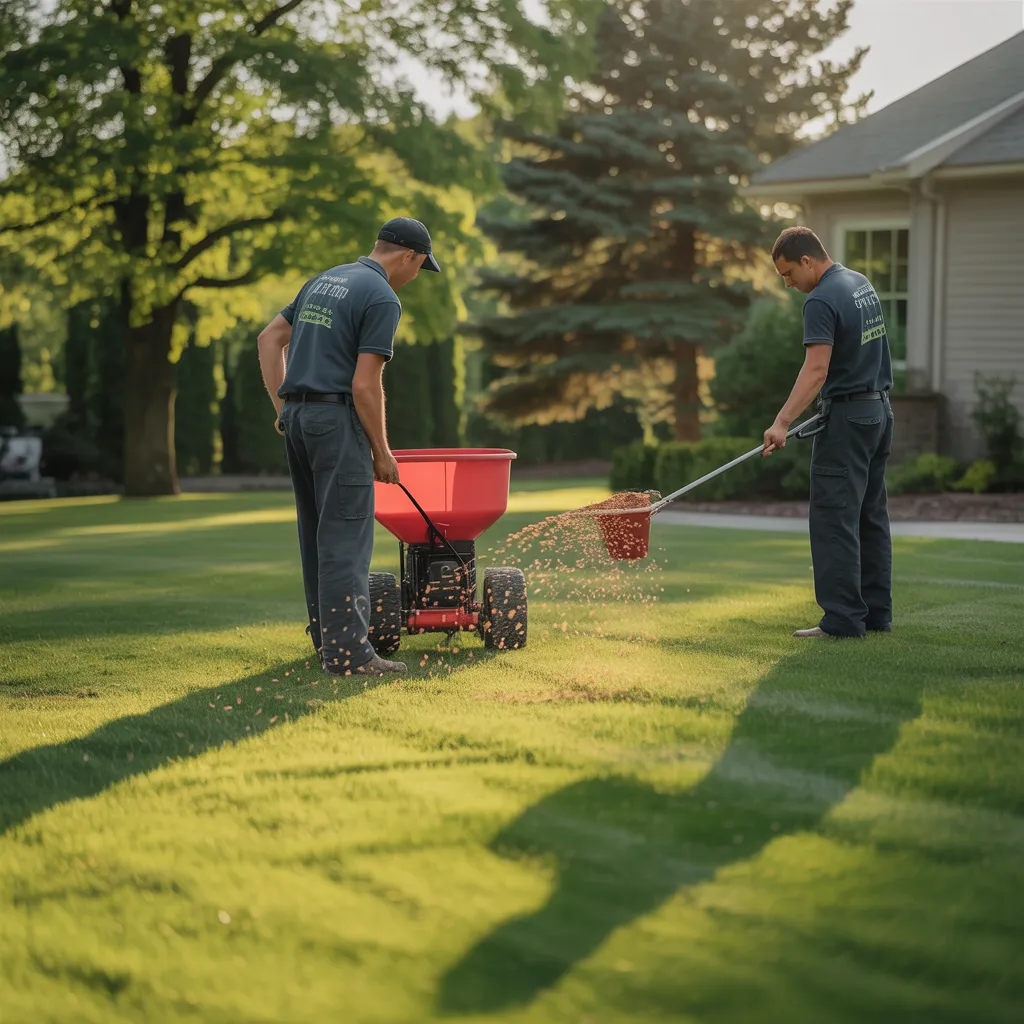
Upkeep services are just as essential, encompassing standard procedures such as pruning, pest management, and lawn care. These activities help preserve the landscape's beauty and health as time goes on.
Together, these essential services establish the basis for quality landscaping, confirming that exterior spaces are not only visually appealing but also sustainable and functional.
Advantages of Professional Landscape Design
The craft of skilled landscape architecture converts outdoor areas into cohesive surroundings that elevate aesthetics and practicality. By integrating elements such as plants, hardscapes, and water features, skilled designers develop visually appealing landscapes designed to meet specific needs and preferences. This level of skill not only improves outdoor aesthetics but also raises real estate worth, ensuring that professional landscaping pays off.
In addition, professional landscaping takes into account ecological considerations, promoting sustainability through the choice of indigenous plants and optimized irrigation systems. Such an approach minimizes maintenance costs and conserves resources, benefiting both the homeowner and the ecosystem. Additionally, a well-designed landscape can elevate the usability of exterior spaces, offering zones for activity and relaxation that accommodate diverse lifestyles.
Ultimately, the benefits of professional landscape design extend beyond mere appearance; they develop engaging, practical spaces that encourage a more meaningful relationship with nature and improve overall quality of life.
Top Landscaping Installation Techniques
Upgrading a backyard area necessitates a deliberate focus on implementation practices that ensure both resilience and visual charm. Effective landscaping begins with soil preparation, establishing optimal circumstances for vegetation. This entails measuring soil acidity and nutrient composition, followed by making adjustments as needed.
Additionally, thoughtful plant selection is crucial; picking native species can strengthen sustainability while decreasing maintenance needs. Correct planting practices, including proper depth and spacing, assist in forming solid root systems.
Moreover, hardscape installations, such as patios and walkways, should be implemented with special attention to drainage and surface leveling to minimize future damage. Utilizing quality materials ensures longevity and improves the overall aesthetic.
Whether drip or sprinkler-based, irrigation systems need to be planned with efficiency in mind, encouraging healthy growth while minimizing water usage. Moreover, integrating mulching practices shields soil and vegetation, playing a key role in sustaining a vibrant landscape. Together, these methods establish the groundwork for effective landscaping projects.
Why Regular Maintenance Matters for Your Landscape?
Regular maintenance guarantees that a landscape continues to flourish over time. Routine care, including tasks such as cutting, shaping, and weeding, guards against excessive growth and plant disease, ensuring plants thrive. It also improves the visual appeal of the property, contributing to a welcoming environment.
In addition, routine maintenance can uncover potential concerns before they grow larger, saving time and costs associated with major repairs. For example, a modest pest infestation can be dealt with properly if discovered at an early point, while failing to act may cause significant damage.
Additionally, ongoing care cultivates a sustainable landscape by enhancing biodiversity and nurturing soil health. A well-maintained landscape can also boost property value, establishing it as a compelling draw for interested buyers. By committing to consistent maintenance, homeowners and property managers can appreciate a lovely and efficient outdoor setting, enriching both the lifestyle and the overall investment.
Professional Landscaping Irrigation Solutions
Proper landscaping irrigation solutions serve a critical purpose in maintaining a healthy and vibrant landscape. A wide range of irrigation systems, along with innovative water conservation techniques, can greatly enhance water efficiency. Understanding these options is vital for establishing sustainable and vibrant outdoor areas.

Irrigation System Types
When exploring the best solutions for landscape watering, understanding the various types of irrigation systems is crucial for maximizing efficiency while promoting plant health. Drip irrigation targets water delivery directly at the plant root level, minimizing evaporation and runoff, making it ideal for gardens and flowerbeds. Sprinkler systems deliver adaptable coverage across larger landscapes, with a variety of stationary and rotating head options. Soaker hoses provide a gentle watering solution for row crops, enabling thorough penetration into the soil. Additionally, subsurface irrigation utilizes underground pipes or tubes, providing effective moisture distribution beneath the soil surface, minimizing weed development. Every system offers its own distinct advantages, enabling landscape professionals to choose the most appropriate system according to their specific needs and environmental factors.
Water Conservation Techniques
Water conservation stands as an essential component of eco-friendly landscaping methods. Effective irrigation solutions, such as drip irrigation and rainwater harvesting, greatly reduce water waste while sustaining landscape integrity. Drip irrigation delivers water directly to plant roots, reducing evaporation and surface runoff. Rainwater harvesting systems capture and store rainwater for later use, offering an eco-friendly water supply for lawns and gardens.
Additionally, xeriscaping—the practice of designing landscapes using drought-resistant vegetation—plays a key role in water conservation by decreasing irrigation demands. The use of mulch around plants preserves soil moisture and keeps weeds at bay, boosting water conservation efforts. Implementing smart irrigation controllers, which adjust watering schedules based on weather conditions, also optimizes water usage. Combined, these methods support environmentally responsible landscaping and help ensure lasting water sustainability.
Enhancing Outdoor Enjoyment and Functionality
In addition, the selection of plants plays a vital role in defining the character of the area. Indigenous and water-wise plants can provide visual interest while limiting care requirements and water needs. Incorporating lighting improves both safety and atmosphere, enabling the enjoyment of outdoor areas beyond daylight hours.
At its core, a harmonious landscape design blends organic aesthetics with functional areas, supporting outdoor pursuits and cultivating a communal bond. This holistic approach confirms that the open-air setting is both pleasurable and purposeful for all who enjoy it.
Locations We Cover: Your Local Landscaping Experts
Regional landscaping professionals provide extensive expertise of area-specific climates and ground compositions, providing personalized strategies for all types of projects. Their expansive coverage areas encompass a wide scope, making it easy for clients to access premium outdoor care services. Recognizing the distinct requirements of every area improves both visual appeal and practicality in exterior environments.
Local Knowledge Makes a Difference
How can homeowners ensure their landscaping reflects the unique characteristics of their region? Working with local landscaping specialists is crucial. These professionals possess in-depth knowledge of see information on this the local weather patterns, soil varieties, and native vegetation, guaranteeing that landscapes not only flourish but also blend with the surroundings. Local expertise allows for tailored solutions that address specific challenges, including insect management or drought tolerance, typical in certain localities. Additionally, familiarization with regional aesthetics assists in developing attractive outdoor spaces that resonate with local culture and traditions. By prioritizing local professionals, homeowners can cultivate sustainable, beautiful outdoor spaces that enhance property value and community appeal, resulting in a more rewarding and long-lasting landscaping journey.
Comprehensive Service Areas
While many landscaping companies claim to serve a wide range of areas, genuine proficiency comes from recognizing the distinct requirements of local neighborhoods. Wide coverage areas are fundamental for quality landscaping, as they ensure that experts have thorough knowledge of local weather patterns, soil conditions, and native plants. By focusing on specific neighborhoods or regions, lawn care professionals can provide customized approaches that improve the aesthetics and usability of exterior environments. Such a community-centered method cultivates deeper connections with customers, guaranteeing that their personal expectations and requirements are fulfilled. Additionally, understanding local regulations and community guidelines helps streamline project execution, minimizing setbacks and obstacles. Ultimately, choosing a landscaping service that prioritizes its service areas allows homeowners to benefit from specialized knowledge and exceptional results.
Questions We Often Receive
What Should I Consider Before Starting a Landscaping Project?
Before starting a landscaping project, one should consider local climate, budget, design preferences, maintenance requirements, soil conditions, and the intended functionality of the space to ensure a successful and sustainable outcome.
How Do I Pick the Most Suitable Plants for My Climate?
To choose the right plants for a given region, one should consider local climate temperatures, rain distribution, soil type, and light availability. Moreover, incorporating native species can enhance resilience and benefit surrounding ecosystems effectively.
What Is the Standard Timeline for a Landscaping Project?
A typical landscaping project timeline varies between a few weeks and several months, according to the scope and complexity of the work involved. Elements like weather conditions, design approval, and plant availability can have a considerable effect on the total timeframe as well.
Do Environmentally Friendly Landscaping Options Exist?
Environmentally friendly landscaping choices consist of rain gardens, native plants, xeriscaping, and sustainable gardening techniques. These options encourage biodiversity, lower water consumption, and decrease chemical use, developing eco-friendly outdoor areas that support both communities and nature.
How Do I Add Hardscaping Elements to My Landscape Design?
Incorporating hardscaping into landscaping design involves choosing materials like concrete, stone, or wood for pathways, patios, and walls. Arranging these elements harmoniously enhances aesthetics while creating practical areas for outdoor activities and relaxation.